Sponsored article
How Different Entrance Mat Materials Withstand Polish Rain, Frost, and UV Radiation
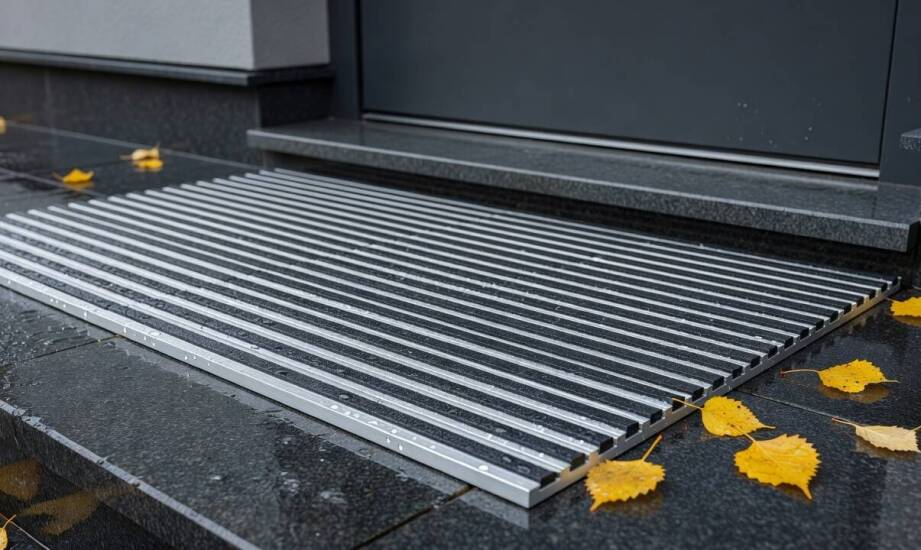
The durability of outdoor entrance zones in the Polish climate depends primarily on resistance to heavy rainfall, road salt, freeze-thaw cycles, and UV radiation. Daily pedestrian traffic or the passage of delivery trolleys often poses a smaller challenge than severe weather conditions, which systematically degrade improperly selected materials. Water trapped within a material’s structure, combined with nighttime temperature drops, leads to mechanical damage, cracking, and the loss of anti-slip properties. Choosing the right solution requires understanding how individual materials react to constant exposure to sunlight, autumn rain, and winter road conditions. A well-designed entrance zone must function like an efficient filter that does not itself deteriorate under the influence of the contaminants it captures.
Read more: How to Assess a Recyclate Batch Before Serial Injection Moulding of Technical Parts
How Do Aluminum, Rubber, and Coir Fiber Respond to Frost and Moisture?
Structures based on metal profiles exhibit specific behavior when exposed to outdoor environments. Aluminum naturally forms a thin oxide layer, which provides high resistance to moisture and fluctuating temperatures. This material withstands UV exposure very well, reducing the risk of structural weakening caused by intense sunlight. However, it is worth remembering that in environments with high chloride concentrations, the oxide layer may become weakened. In areas frequently treated with road salt, profiles should be rinsed regularly to prevent superficial pitting. Properly maintained systems retain their rigidity during frosts and do not deform during freeze-thaw cycles.
Open-grid rubber elements represent a completely different category of entrance solutions. EPDM rubber compounds offer a wide operating temperature range and high resistance to weather conditions, including sunlight and acid rain. The use of an open structure allows water to drain quickly directly into the ground or into a dedicated sediment trap. As a result, freezing water does not force the surface apart during sudden temperature drops. The flexibility of rubber makes accumulated ice easier to break under the weight of footsteps, significantly improving pedestrian safety. The smooth structure of the material also allows dense mud to be washed away easily using pressurized water.
Natural coir fiber operates on a different principle because it absorbs moisture intensively and effectively traps dry contaminants. Under conditions of constant exposure, water penetrates deeply into the natural structure. Repeated freezing and thawing cycles cause swelling and the gradual loosening of the fibers, accelerating material wear. Exposure to strong sunlight intensifies drying but in the long term leads to the crumbling of fibers that have already been weakened. For this reason, a coir mat performs best as a barrier under a roof, where it has the opportunity to release moisture into the surrounding air on a regular basis. In an exposed location subject to driving rain, this material quickly loses its original form.
Ultimately, fast and effective water drainage is the key factor determining the lifespan of the entire entrance zone. Standing moisture accelerates the degradation of every material and, during winter, creates a dangerous layer of ice. Adequate rigidity of the elements prevents the formation of depressions where contaminated mud could accumulate.
Matching the Entrance to Traffic Intensity and Building Type
Technical requirements change dramatically depending on the size of the building, the number of users, and the nature of the canopy. A single-family home is characterized by relatively low pedestrian traffic. If the entrance is located beneath a deep overhang, natural water-absorbing materials effectively clean fine sand from footwear soles. Homeowners can prioritize aesthetics and traditional soft materials, provided that adequate ventilation is ensured after rainy weather.
An entrance directly exposed to downpours, wind, and snow requires a different strategy. The absence of a canopy necessitates the installation of high-capacity systems, completely eliminating the risk of puddle formation and subsequent icing. In demanding zones, robust grates or profiles equipped with inserts resistant to wear in wet conditions perform best. The entire structure must withstand not only hundreds of footsteps but also the pressure of transported loads and sudden heavy summer storms.
Public buildings, large hotels, and modern office complexes face immense daily demands. Thousands of crossings require the use of exceptionally rigid, easy-to-clean modular systems. In such spaces, advanced aluminum systems or thick grilles made from durable materials dominate. Systems in commercial buildings withstand constant contact with sharp sand and aggressive road salt while maintaining full cleaning performance. Differences in selection are driven by the frequency of professional machine cleaning and the expected long-term service life.
The correct choice of equipment is based on analyzing actual local conditions. Rainfall intensity, the degree of protection from wind, the method of regular cleaning, and the expected lifespan all become critical factors. Materials with effective water drainage and resistance to thermal cycles protect the building interior for many seasons without requiring constant maintenance. Ignoring the destructive effects of frost, road salt, and strong sunlight leads to rapid degradation of barrier surfaces, regardless of how infrequently users cross the building's threshold. A well-considered investment at an early stage helps avoid dangerous slips and costly replacements after just one severe winter.
Unimat specializes in manufacturing facility equipment and cleaning systems adapted to the demanding requirements of the Polish climate. The Poznań-based manufacturer, known on the market as Unimat Doormat Factory, has been providing advanced custom-made solutions continuously since 1999. Customers seeking durable systems for buildings can choose highly resistant outdoor entrance mats, which are designed for efficient moisture drainage and reliable performance through winter freeze-thaw cycles in both commercial spaces and private homes.
You might be interested

Why is flexibility in vegetable deliveries important for the food service sector?
Can Bolesławiec Ceramic Dishes Be Used for Baking?